

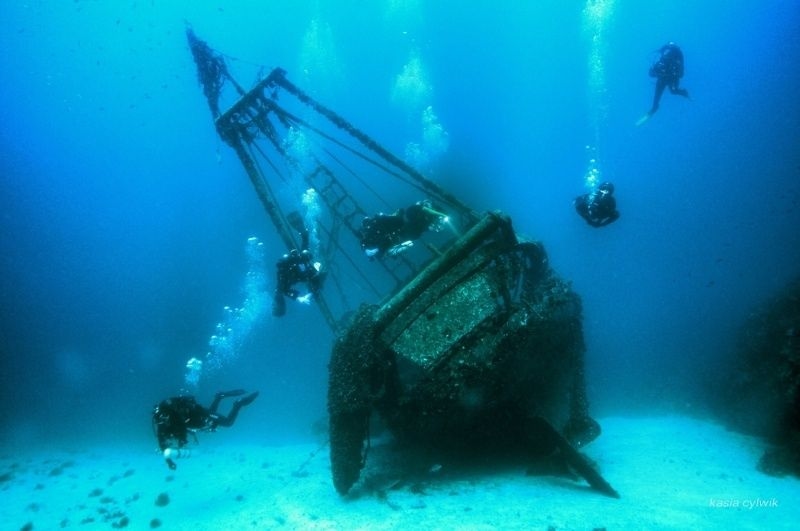
Whether you’re exploring shipwrecks, old boats, or long-lost treasures from ancient civilizations, you’ll find that wreck diving gives you a chance to combine elements of history, adventure, and marine life. If you have ever wondered about what a wreck dive is or what the top places are to do a wreck dive, within this guide, you will learn everything you need to know about the best wreck diving around the globe and why it is a diving experience that anyone should have on their bucket list.
Exploring sunken ships, airplanes, or any underwater artificial structure creates the best wreck diving around the world. Wrecks become homes to many marine organisms and form one-of-a-kind breeding grounds over time.
A "wreck dive" is any type of scuba dive in which the diver explores a sunken vessel (ship or aircraft) or any other structure that lies in the ocean. Wrecks can include:
Knowing what a wreck dive is helps divers understand its historical relevance and the abundance of sea life associated with it.
Thus, the Best Wreck Diving in the World combines all four of the above, making it an unforgettable experience.
If you're looking for wreck diving, you won't find better wreck diving destinations anywhere besides these locations. These locations offer amazing wreck-diving options worldwide.
The wreckage here, known as the Ghost Fleet of World War II, contains a vast number of Japanese ships and planes. This area offers many opportunities to enjoy wreck diving, as it has historical significance and a wide variety of wrecks to explore.
This ship is one of the most well-known wreck dive sites and was sunk during World War II. Some reasons divers love this wreck are:
Bikini Atoll is a world-famous diving destination for large submarines and warships. This destination is considered among the best wreck diving in the world, thanks to its size and preservation.
Don’t Miss This: Best Snorkeling Spots in the USA for Summer Adventures
The Oriskany is one of the largest artificial reefs in the world and has become a popular diving destination. The wreck of the Oriskany is frequently visited by advanced divers.
The Yongala is located just offshore of the Great Barrier Reef and is known for its abundant fish life. Divers can find many large fish, including:
These are just five examples of the best wreck-diving locations around the world.
The most important factor in maximizing your wreck-diving experience is planning ahead. Regardless of your level of experience, proper preparation will help make the wreck dive as safe and enjoyable as possible.
Before attempting a wreck dive, make sure you have received:
You should also have an idea of what a “wreck dive” is, as well as the need for and importance of receiving the proper wreck diver training.
Some tips for wreck diving are:
The timing will be different at each wreck dive location, however:
The overall success of your wreck diving experience will largely depend on the timing of your visit to the best wreck diving locations.
Explore This Topic: Top Nude Beach: Explore Stunning Coastal Paradises
Wreck diving isn't only about being underwater; rather, it also encompasses all of the wonderful stories that can be found at the bottom of the ocean. Each shipwreck has a unique history and purpose and eventually becomes home to a new ecosystem below the water's surface.
Some unique benefits of going wreck diving include:
Wreck diving is a great way to experience history, explore exciting adventures, and help preserve our oceans' beautiful underwater environments.
Wreck Diving Around the World: Wreck diving is an adventure, an exploration of the past, a way to care for our planet's oceans, and a unique experience found in oceans. The best wreck-diving locations range from historical warships to artificial reef systems, offering an array of diving opportunities for divers of all levels.
If you're new or very experienced, the first thing to do when considering creating your own wreck dive experience will be understanding the definition of wreck diving to help prepare yourself for an unforgettable dive below the surface of the ocean.
For snorkelers interested in exploring underwater wrecks, wreck diving is an option for beginners. They should begin their diving experience at shallow, non-penetrative depths, using certified instructors as guides to feel safe and capable.
The major difference between wreck diving and coral reef diving is that wreck diving focuses on human-made structures (think sunken ships), while coral reef diving focuses almost exclusively on nature’s creations with abundant fish populations.
Wrecks attract a wide range of marine organisms, including fish, coral, and predatory species. Wrecks also serve as artificial reef structures, providing habitat for marine organisms to thrive. As a result, the best wreck dives offer the most diverse marine life and set the stage for underwater photographers, wherever they take place in the world.
Most wreck sites worldwide are protected for their historical or ecological significance and are subject to local regulations. Many of the best wreck diving sites in the world include preserved sites that require permits/guided tours.
Risks while wreck diving include entanglement, poor visibility, and exposure to unstable structures. Diving in a wreck with proper training and equipment will help mitigate the risks associated with the activity. If you know and understand what is considered a wreck dive and follow established safety practices, you will have a safe and enjoyable wreck diving experience anywhere in the world.
This content was created by AI